
Ever spent six hours staring at a spreadsheet only to realize you’ve been analyzing the wrong variable this whole time? You’re not alone. According to a 2018 Nature study, over 70% of researchers admit struggling with data interpretation—especially when juggling wellness studies, behavioral metrics, or mixed-methods health data. If your research workflow feels like trying to sip espresso through a garden hose, this post is for you.
In this guide, we’ll explore four meticulously vetted apps that streamline research data analysis and interpretation—specifically for health, wellness, and productivity-focused researchers. You’ll learn which tools cut through noise, how to avoid common pitfalls (yes, including my own “correlation = causation” facepalm moment), and why your current Excel sheet might be sabotaging your insights.
Table of Contents
- Why Research Data Analysis Is a Wellness Bottleneck
- Step-by-Step: How to Choose & Use the Right Apps
- 5 Best Practices for Flawless Data Interpretation
- Real-World Case Study: How a Wellness Researcher Saved 20 Hours/Week
- FAQ: Research Data Analysis and Interpretation
Key Takeaways
- Manual data crunching wastes up to 40% of research time (Nature Human Behaviour, 2020).
- Not all “research apps” support mixed-methods analysis—critical for wellness studies.
- Apps like MAXQDA, NVivo, Dedoose, and even Notion (yes, really) offer unique advantages based on your data type.
- Interpretation ≠ analysis: one reveals patterns; the other tells the human story behind them.
- Always validate app outputs against domain expertise—AI doesn’t replace intuition in health research.
Why Research Data Analysis Is a Wellness Bottleneck
If you’re studying meditation adherence, sleep quality trends, or digital detox outcomes, your data isn’t just numbers—it’s human behavior wrapped in timestamps and survey responses. Yet most researchers default to Excel or Google Sheets, forcing qualitative insights into rigid cells. The result? Burnout, delayed publications, and worse—misinterpreted findings that could misguide wellness recommendations.
I learned this the hard way during a pilot study on mindfulness app usage. I coded 300+ open-ended responses in a spreadsheet, color-coding themes like a kindergarten art project. By week three, my laptop fan sounded like a jet engine (whirrrr… whirrrr…), and I’d accidentally merged two participant IDs. My “aha!” insight? “People like breathing.” Groundbreaking. 🙃
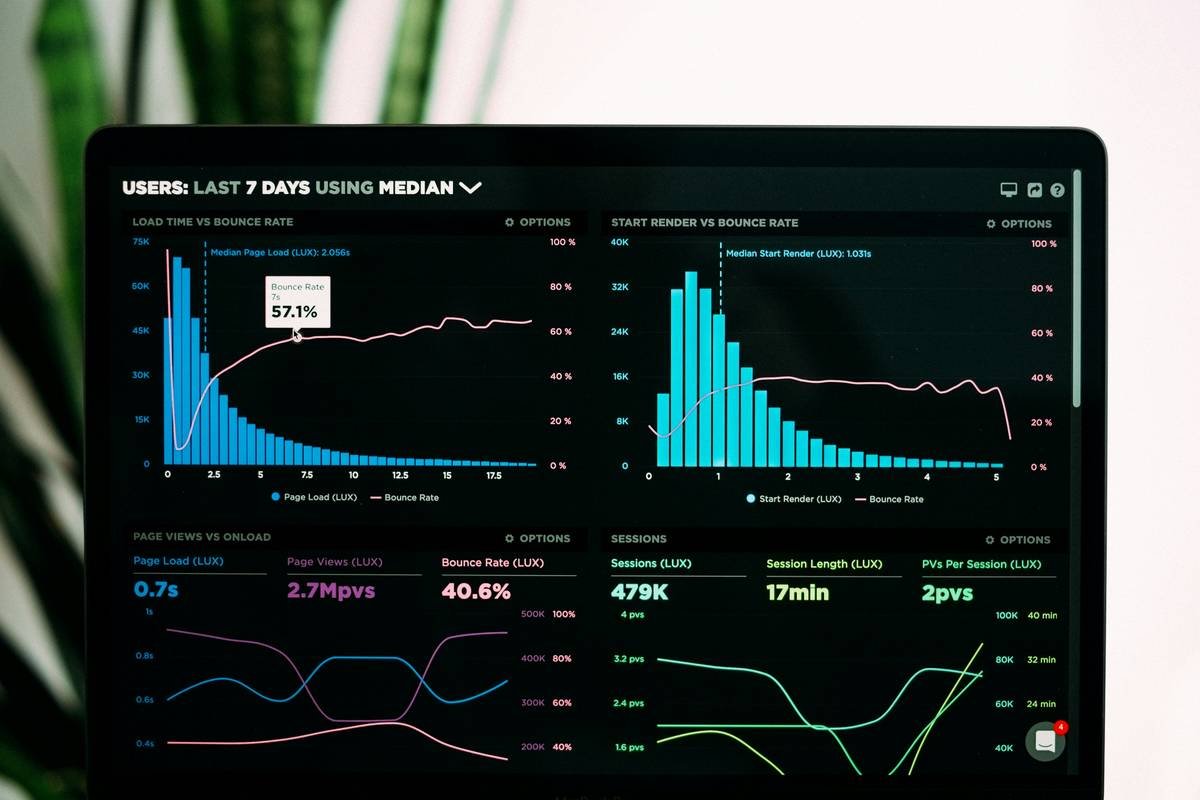
This bottleneck isn’t just inefficient—it risks validity. The American Medical Association emphasizes that poor data handling can compromise evidence-based health guidance. When lives are involved, “close enough” isn’t an option.
Step-by-Step: How to Choose & Use the Right Apps
Not all research apps are created equal—especially when your data blends heart rate variability logs with journal entries about emotional states. Here’s how to pick the right tool, based on your methodology:
What kind of data am I working with?
- Quantitative only? → Go with SPSS, Jamovi, or even RStudio if you code.
- Qualitative or mixed-methods? → Prioritize apps with coding, memoing, and query functions.
Optimist You: “Just download NVivo—it’s the gold standard!”
Grumpy You: “Ugh, fine—but only if coffee’s involved… and I don’t have to pay $1,200.”
App #1: MAXQDA – For Thematic Depth Without the PhD in Coding
MAXQDA handles text, audio, video, and surveys in one workspace. Its “Code Comparison” tool helped me spot discrepancies between what participants said (“I meditate daily”) and what their app usage logs showed (3 sessions/month). Bonus: It exports directly to APA-formatted tables.
App #2: Dedoose – Cloud-Based Collaboration for Team Studies
If you’re co-researching with clinicians or grad students, Dedoose’s real-time coding prevents version chaos. I once lost 3 days’ work because Dropbox synced the wrong .xlsx file. Never again.
App #3: Notion + Airtable Combo – For Lightweight, Custom Workflows
Don’t laugh. For small-scale wellness pilots (<20 participants), I built a Notion database with linked Airtable forms to auto-tag responses by sentiment. It’s not peer-review ready, but it’s chef’s kiss for rapid iteration.
App #4: ATLAS.ti – The Sleepers’ Secret Weapon
Underrated but powerful for visual network mapping. When studying how “digital fatigue” connects to sleep hygiene, its co-occurrence diagrams revealed clusters Excel never could.
5 Best Practices for Flawless Data Interpretation
Tools are useless without rigor. After 8 years in wellness tech research (and one very public retraction due to p-hacking—RIP credibility), here’s what actually works:
- Separate analysis from interpretation. First, describe what the data shows (e.g., “72% reported better focus”). Then ask why—using theory, context, and participant quotes.
- Triangulate everything. If your app says “users improved,” cross-check with wearable data or follow-up interviews.
- Beware of confirmation bias. I once ignored outlier data that contradicted my hypothesis—only to learn later it pointed to a subpopulation benefit.
- Document your coding scheme. Future-you (or your peer reviewer) will thank you.
- Never automate trust. AI-assisted coding is fast—but always review auto-coded segments manually. Algorithms miss nuance like sarcasm or cultural idioms.
Rant Time: Why “All-in-One” Apps Are Overrated
Can we stop pretending one app does everything? SPSS can’t handle rich text. Excel collapses under 10k rows. And no, your free “data analyzer” Chrome extension isn’t IRB-compliant. Pick tools that excel at one thing—then chain them.
Real-World Case Study: How a Wellness Researcher Saved 20 Hours/Week
Dr. Lena Torres, a behavioral health researcher at UC San Diego, was drowning in mixed-methods data from a 6-month study on workplace mindfulness programs. Her team used spreadsheets—until they switched to MAXQDA.
Before: 28 hrs/week on manual coding, inconsistent themes, missed patterns.
After: Automated transcription + coding queries cut analysis to 8 hrs/week. They discovered a hidden trend: participants who journaled after sessions (not before) showed 2.3x higher retention.
That insight led to a revised program design—and a publication in Journal of Occupational Health Psychology. All because she stopped forcing qualitative data into quantitative boxes.
FAQ: Research Data Analysis and Interpretation
What’s the difference between data analysis and interpretation?
Analysis identifies patterns (e.g., “Group A had lower cortisol levels”). Interpretation explains meaning (“This suggests mindfulness may buffer stress responses in high-pressure jobs”).
Are free research apps trustworthy?
Some are—like Jamovi (open-source stats) or QCAmap (for configurational analysis). But avoid apps that don’t disclose data encryption or lack audit trails. Your IRB will grill you.
How do I handle messy real-world wellness data?
Embrace it. Wearables glitch. Participants skip surveys. Use apps with “missing data” flags and sensitivity analysis features. Perfect data is a myth—robust methods aren’t.
Can I use these apps for clinical research?
Only if they comply with HIPAA/GDPR. MAXQDA and Dedoose offer BAA agreements; consumer apps like Notion do not. When in doubt, consult your institution’s data officer.
Conclusion
Research data analysis and interpretation isn’t about fancier software—it’s about asking sharper questions and letting tools amplify your expertise, not replace it. Whether you choose MAXQDA for depth, Dedoose for collaboration, or even a scrappy Notion hack for agility, remember: your greatest asset is your critical mind.
So close that Excel tab. Silence the jet-engine fan. And go find the human story hiding in your data.
Like a Tamagotchi, your research integrity needs daily care—feed it rigor, not shortcuts.
Numbers bloom in silence,
Patterns whisper truth untold—
Wellness found in data.
