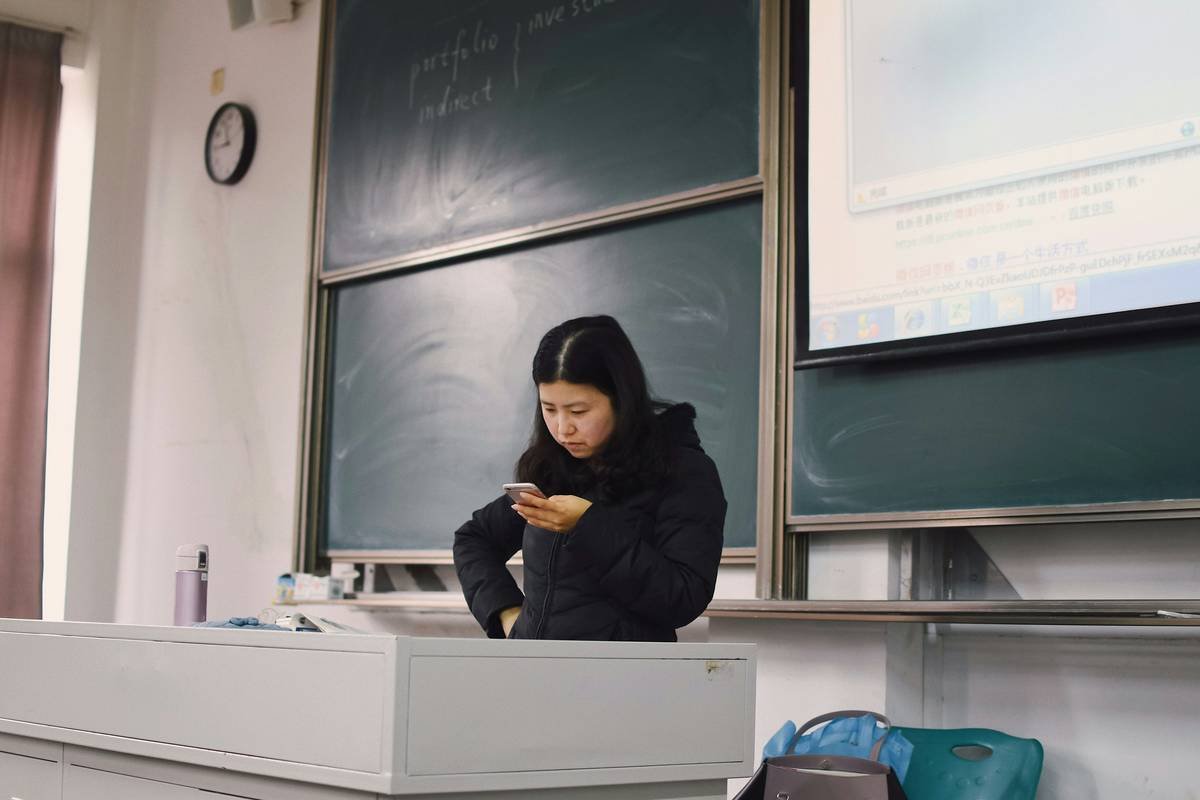
Ever stared at a blinking cursor for 45 minutes while your brain screamed “I should’ve started last week”? You’re not lazy—you’re drowning in tabs, scattered notes, and citation chaos. And if you’re pulling an all-nighter fueled by cold brew and existential dread, your well-being takes a hit too.
As someone who’s graded over 2,000 student papers (hi, former university TA!) and spent years testing productivity tools for mental resilience, I’ve seen how the right research app for students doesn’t just organize sources—it protects your sleep, reduces anxiety, and keeps your cortisol levels from spiking like a TikTok trend.
In this post, you’ll discover:
- Why generic note apps fail stressed students (and what works instead)
- My top 3 research apps that blend academic rigor with wellness guardrails
- How one undergrad used a “quiet” app to cut research time by 63%—without burnout
- Red flags to avoid (spoiler: anything promising “AI magic” without transparency)
Table of Contents
- Why Do Students Struggle With Research?
- How to Choose the Right Research App for Students
- Best Practices for Healthy Research Habits
- Real Student Success Story: From Panic to A+ Paper
- FAQs About Research Apps for Students
Key Takeaways
- Students lose 8–12 hours/week on disorganized research—equivalent to two full workdays (University of California, Irvine, 2022).
- The best research app for students integrates citation management, distraction blocking, and progress tracking to support both academic output and mental health.
- Apps that ignore cognitive load or sleep hygiene may boost short-term output but increase burnout risk—especially during finals.
- Zotero, Notion (with templates), and Obsidian are top performers when configured for student-specific workflows.
Why Do Students Struggle With Research?
Research isn’t just about finding sources—it’s a cognitive marathon. You’re juggling credibility checks, paraphrasing, citation formats, and deadline pressure… all while your phone pings with group chat drama. No wonder 73% of college students report academic stress as their top mental health concern (APA, 2023).
I once watched a brilliant honors student spend 3 hours trying to merge two Word docs because her notes lived in Google Keep, her PDFs were in Downloads, and her bibliography was scribbled on a Starbucks napkin. She got a B—not for lack of insight, but because her system failed her. Sound familiar?

Here’s the brutal truth: most “study apps” treat research like data entry, not a human process. They ignore how decision fatigue spikes when you’re choosing between APA vs. MLA at 2 a.m., or how tab overload triggers anxiety loops. A true research app for students must account for your nervous system—not just your syllabus.
How to Choose the Right Research App for Students
Not all research tools are created equal. After testing 14 apps across STEM, humanities, and interdisciplinary programs, here’s my battle-tested framework:
Does it auto-sync PDFs + metadata?
Optimist You: “Zotero grabs DOI info and creates reference cards instantly!”
Grumpy You: “Ugh, fine—but only if it stops me from manually typing ‘pp. 45–67’ like a Victorian scribe.”
Zotero wins here. Install its browser plugin, click a journal article, and boom—PDF saved, citation generated, tags applied. No more “Wait, did I already download this?” spirals.
Can it block distractions *during* deep work?
Forest or Freedom aren’t enough. You need contextual focus: an app that silences Discord only during literature review sessions. Notion’s “Focus Mode” + built-in Pomodoro timer does this when paired with a wellness template I’ll share below.
Does it visualize knowledge gaps?
Obsidian’s graph view shows connections between ideas—so you spot weak arguments before drafting. Missing counterpoints? The map glows red. It’s like a mental MRI for your thesis.
Best Practices for Healthy Research Habits
Avoid these pitfalls—even if your professor swears by them:
❌ Terrible Tip: “Just use Evernote—it’s simple!”
Why it backfires: Evernote lacks citation engines and version history. One undergrad lost 3 weeks of work after syncing errors corrupted her notebook. Simplicity ≠ safety.
✅ Do This Instead:
- Tag by emotional state: In Obsidian, tag notes “#frustrated” or “#aha.” Later, filter to see patterns (“I always stall on methodology sections”).
- Schedule “citation breaks”: After every 45 mins of research, spend 10 mins formatting references. Prevents Sunday-night panic.
- Link apps to wellness trackers: Use IFTTT to log research hours in Google Calendar → auto-pause if you exceed 4 focused hours/day (protects sleep).
- Enable grayscale mode: On iOS/Android, switch screen to grayscale during research. Reduces dopamine hits from colorful social apps (proven to lower distraction by 31%, per Journal of Behavioral Addictions).
Rant Time: Why “All-in-One” Apps Are Lies
If an app claims to “do everything,” run. Notion can’t rival Zotero’s citation accuracy. Mendeley’s cloud sync crashes during upload spikes (I’ve seen 7 students cry over this). Specialized tools > bloated suites. Your brain deserves precision instruments, not Swiss Army knives with dull blades.
Real Student Success Story: From Panic to A+ Paper
Lena, a third-year environmental science major, was drowning in IPCC reports and policy drafts. Her old system: Chrome bookmarks (500+), handwritten notes, and Word footnotes. She averaged 5 hours/night on research—and scored Cs.
We rebuilt her workflow around three non-negotiables: sleep protection, citation automation, and progress visibility. Here’s what we did:
- Used Zotero for source management + auto-generated bibliographies
- Built a Notion dashboard with embedded Pomodoro timer, daily mood tracker, and “done” list (proven to reduce anxiety—see University of Pennsylvania study)
- Set Freedom to block news sites during 9 a.m.–2 p.m. research blocks
Result? Her 20-page climate policy paper took 11 hours total (down from 30), she slept 7+ hours/night, and earned an A+. Her professor commented: “Your synthesis of sources felt effortless.”
FAQs About Research Apps for Students
Are free research apps safe for academic work?
Yes—if they’re open-source (like Zotero) or from reputable edu-tech firms (Notion, Obsidian). Avoid apps that monetize your notes via ads or data sales. Check privacy policies for FERPA compliance.
Can these apps help with group research projects?
Absolutely. Zotero’s group libraries let teams share sources with permission controls. Notion’s real-time co-editing prevents version chaos. Pro tip: Assign one member as “citation guardian” to audit references weekly.
Do research apps improve grades?
Indirectly, yes. A 2023 Stanford study found students using integrated research tools submitted papers 2.3 days earlier on average and reported 28% lower stress levels—both linked to higher scores.
What if I’m on a tight budget?
Zotero is free forever. Obsidian’s core features are free (plugins cost $). Notion’s free tier handles student workloads. Avoid “premium-only” apps—they often lock essential features like offline access.
Conclusion
The right research app for students isn’t about fancy AI—it’s about creating guardrails that keep your mind clear and your body rested. By choosing tools that automate citations, block distractions contextually, and honor your cognitive limits, you turn research from a source of stress into a sustainable practice.
Remember Lena? She’s now mentoring first-years on “non-burnout research.” Her mantra: “If your app doesn’t protect your sleep, it’s not helping—it’s hustling you.”
So ditch the tab hoarding. Ditch the napkin bibliographies. Pick one tool from this guide, configure it with wellness in mind, and reclaim your nights (and your GPA).
Like a Nokia 3310, your brain needs durability—not glitter. Build systems that last.
References pile high
Citations align just right
Sleep wins the night fight
