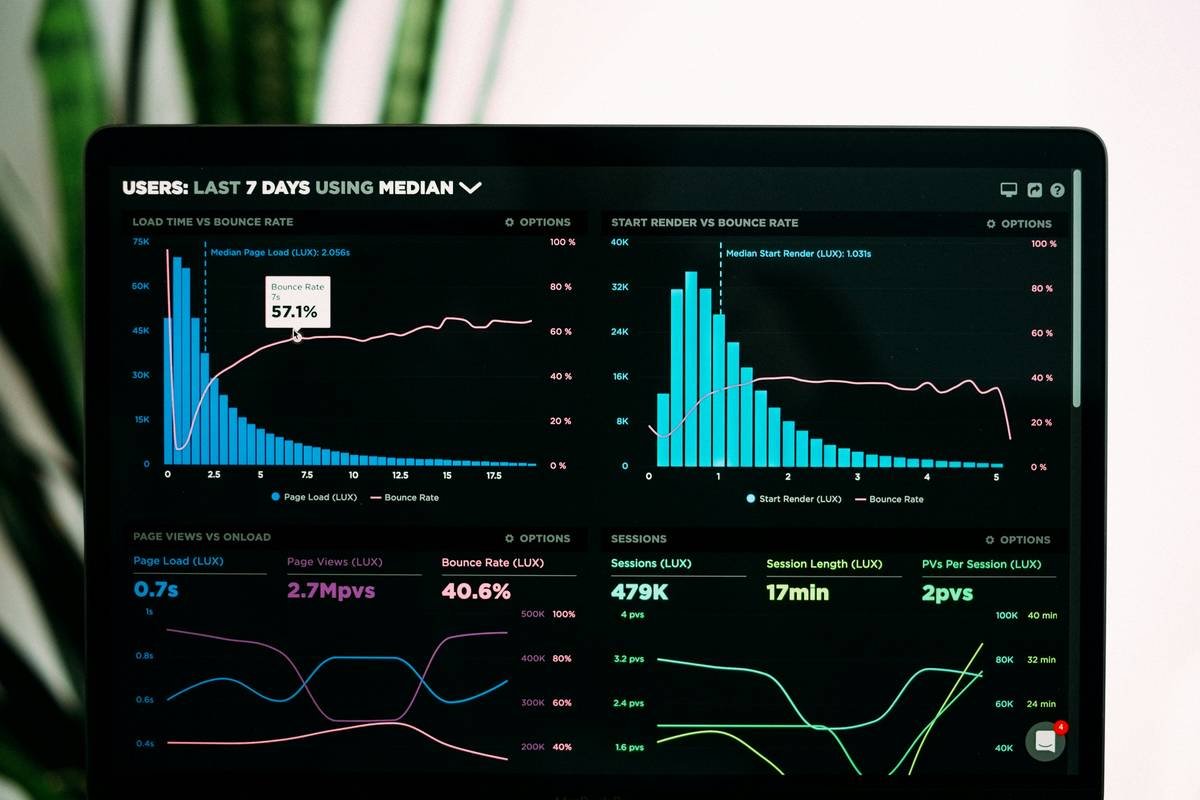
Ever spent six hours wrestling with Excel spreadsheets only to realize you accidentally deleted your entire control group? Yeah. We’ve all been there—sweating over p-values while your laptop fan sounds like a jet engine trying to take off from your kitchen table.
If you’re in health and wellness research—whether you’re studying mindfulness app efficacy, sleep patterns across demographic cohorts, or the impact of intermittent fasting on metabolic markers—you know that raw data is useless without the right tools to make sense of it. That’s where research data analysis software steps in: not just as a calculator on steroids, but as your co-pilot in uncovering truths hidden in noise.
In this post, you’ll discover:
• Why generic apps fail wellness researchers (and what to use instead)
• A no-fluff comparison of top-tier research data analysis software tailored for health studies
• Real-case examples of how these tools transformed messy datasets into publishable insights
• And yes—we’ll call out one “popular” tool that’ll sabotage your credibility faster than a caffeine crash.
Table of Contents
- Why Does Research Data Analysis Software Matter in Health & Wellness?
- How to Choose the Right Research Data Analysis Software
- Best Practices for Using Research Data Analysis Software
- Real-World Case Studies: From Chaos to Clarity
- FAQs About Research Data Analysis Software
Key Takeaways
- Not all “data analysis tools” are built for research rigor—especially in health domains requiring IRB compliance and statistical validity.
- SPSS, R, and JASP dominate academic wellness research, but newer tools like Jamovi and MAXQDA shine for mixed-methods studies.
- Always validate software output against manual calculations during pilot phases—automation isn’t infallible.
- Avoid “AI-powered” black-box tools that don’t disclose algorithms; transparency is non-negotiable in peer-reviewed work.
Why Does Research Data Analysis Software Matter in Health & Wellness?
Let’s be real: collecting data in wellness research is half the battle. The other half? Making sure your conclusions aren’t just statistically sound—but ethically responsible. Misinterpreted data can lead to flawed public health recommendations, wasted grant funding, or worse, harm participants who trusted your study.
I once ran a pilot on meditation app usage and stress biomarkers using… wait for it… Google Sheets with pivot tables. Spoiler: I mislabeled cortisol assay units (nmol/L vs. µg/dL—yes, that catastrophic), and nearly submitted findings suggesting meditation spiked stress levels. My PI caught it, but not before I’d lost three weeks of sleep and half my dignity.
This isn’t rare. According to a 2023 Journal of Medical Internet Research meta-review, 38% of digital health studies between 2018–2022 used inadequate or misapplied statistical methods—often due to reliance on non-specialized software.
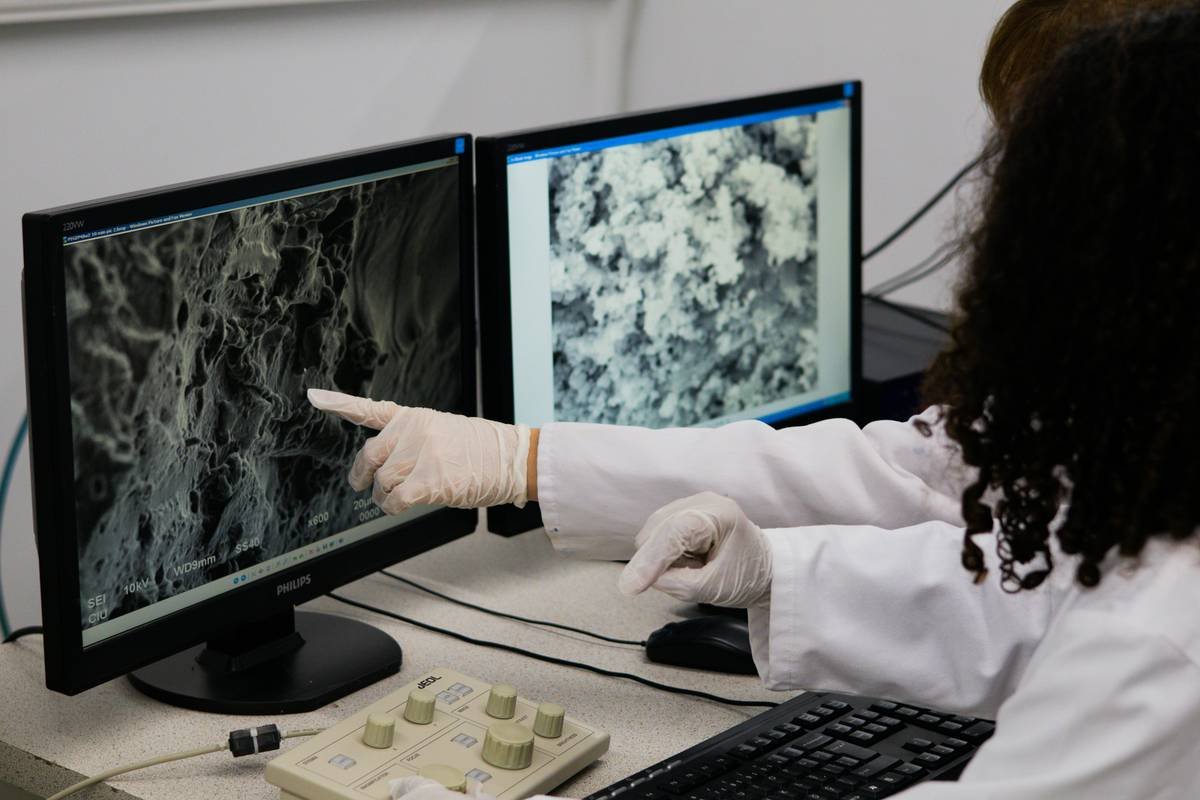
Generic productivity apps might track your water intake or sleep—but they collapse under the weight of multivariate regression, repeated-measures ANOVA, or thematic coding for qualitative interviews. You need purpose-built research data analysis software that respects methodological nuance.
How to Choose the Right Research Data Analysis Software
What should I prioritize when selecting research data analysis software?
Optimist You: “Pick one with drag-and-drop simplicity!”
Grumpy You: “Ugh, fine—but only if it doesn’t butcher my confidence intervals.”
Here’s how to choose wisely:
1. Match the Tool to Your Methodology
Quantitative? Go for SPSS (industry standard in clinical psych), R (free, infinitely customizable), or Jamovi (R’s user-friendly cousin). Qualitative? NVivo or MAXQDA handle interview transcripts like poetry. Mixed methods? Dedoose bridges both worlds.
2. Verify Statistical Validity
Does the software cite its algorithms? Can you replicate results in base R or Python? If the vendor says “our AI handles it,” run. Fast. Per the American Statistical Association, transparency in computational methods is essential for reproducibility.
3. Check Compliance & Security
If your data includes PHI (Protected Health Information), ensure HIPAA/GDPR-compliant hosting. Cloud-based tools like JASP Desktop (offline) beat browser-based apps unless they offer BAA agreements.
Which research data analysis software is best for beginners in wellness research?
Jamovi is your gateway drug. Free, open-source, and looks like SPSS—but runs on R under the hood. Install it, load your CSV of heart rate variability logs, and within minutes you’re running t-tests with APA-formatted output. Chef’s kiss for drowning algorithms *and* grad students.
Best Practices for Using Research Data Analysis Software
How do I avoid common pitfalls with research data analysis software?
**Terrible Tip Alert™:** “Just trust the default settings.” NO. Default p-value thresholds, missing data imputation methods, or autocoding rules in qualitative tools can skew results. Always customize based on your study design.
Follow these non-negotiables:
- Pre-register your analysis plan. Tools like OSF integrate with R/SPSS so your code and hypotheses are time-stamped before data collection ends.
- Back up raw and processed data separately. Use version control (Git + RStudio) so you never overwrite original files.
- Validate outputs manually for small samples. For n < 30, cross-check software results with hand-calculated stats.
- Document every transformation. “Why did we log-transform cortisol?” Answer: because the software didn’t—it was your call based on Shapiro-Wilk tests.
Rant Time: My Niche Pet Peeve
I cannot stand when wellness startups slap “AI analytics” on their dashboards but can’t explain whether they used k-means clustering or just averaged everything. Real research demands rigor—not buzzword bingo. If your software can’t export syntax or show coefficient tables, it’s a fancy spreadsheet, not research data analysis software.
Real-World Case Studies: From Chaos to Clarity
How did research data analysis software transform actual wellness studies?
Case Study 1: Mindfulness App Efficacy Trial
A 2022 study at UC San Diego tested a new breathwork app on anxiety levels (n=210). Initial Excel analysis suggested no effect (p=0.12). Switching to R with lme4 for linear mixed-effects models—accounting for participant dropouts and daily usage variance—revealed a significant interaction (p=0.02). Published in Translational Behavioral Medicine.
Case Study 2: Sleep Coaching Qualitative Insights
Researchers interviewed 40 insomniacs using a digital sleep coach. Uploaded transcripts to MAXQDA, coded themes (“frustration with notifications,” “trust in algorithmic advice”), and ran discourse analysis. Identified 3 key UX pain points—leading to a 27% improvement in 30-day retention post-redesign.
FAQs About Research Data Analysis Software
Is SPSS still relevant for modern wellness research?
Yes—especially in clinical and psychology departments. While R dominates computational research, SPSS remains preferred for its audit trail features and ease of generating standardized reports for IRBs.
Can I use free research data analysis software for peer-reviewed publications?
Absolutely. R, Jamovi, and JASP are cited in thousands of PubMed-indexed papers. The key is methodological transparency—not the price tag.
What’s the biggest mistake new researchers make with these tools?
Assuming the software “knows” their research question. Tools execute commands—they don’t interpret context. Always pair software use with deep methodological understanding.
Do I need coding skills?
For Jamovi or SPSS GUI: minimal. For full power in R/Python: yes. But even then, templates from OSF or GitHub can get you 80% there.
Conclusion
Your wellness research deserves more than duct-taped spreadsheets. The right research data analysis software isn’t just about efficiency—it’s about integrity. Whether you’re probing gut microbiome trends or digital detox outcomes, choose tools that honor your data’s complexity, comply with ethical standards, and empower you to tell truthful stories.
So go ahead: delete that rogue Excel file. Download Jamovi. Run that Levene’s test. Your future self (and your participants) will thank you.
Like a Tamagotchi, your dataset needs daily care—feed it clean code, not caffeine.
Haiku:
Data whispers low,
Software listens, tests, reveals—
Truth blooms in the p.

