Ever lost three hours hunting for that one critical citation buried in a 47-page PDF named “final_v3_revised_actually_final.pdf”? Yeah. We’ve all been there—especially if your work intersects health, wellness, and evidence-based practice. With over 88% of healthcare professionals relying on peer-reviewed research to inform decisions (NIH, 2021), managing academic papers isn’t just academic—it’s clinical, ethical, and utterly overwhelming.
This post cuts through the noise. You’ll discover:
- Why most researchers waste 6+ hours weekly on disorganized literature
- How the right research paper organizer app boosts both productivity and mental well-being
- Real-world comparisons of top tools—tested by a former public health researcher turned app reviewer
- A brutally honest “what not to do” guide (including my own Tamagotchi-level neglect of Zotero in 2019)
Table of Contents
- Key Takeaways
- Why Disorganized Research Feels Like Emotional Labor
- How to Pick the Right Research Paper Organizer App
- 5 Best Practices for Stress-Free Literature Management
- Case Study: From Chaos to Calm in a Public Health PhD Program
- FAQs About Research Paper Organizer Apps
Key Takeaways
- Poor reference management correlates with increased academic stress—a documented wellness issue (Journal of Medical Internet Research, 2022).
- Zotero, Mendeley, and Notion + Readwise combo lead in usability for health/wellness researchers.
- Cloud sync, annotation depth, and PubMed/Google Scholar integration are non-negotiable features.
- Never skip backup protocols—losing references = losing weeks of cognitive labor.
Why Disorganized Research Feels Like Emotional Labor
If you’re in health or wellness research, your bibliography isn’t just a list—it’s your evidence backbone. A misplaced meta-analysis could delay a policy recommendation. A misattributed stat might undermine patient education materials. And yet, a 2022 study found researchers spend up to 6.2 hours weekly just organizing sources. That’s not productivity—it’s preventable cognitive drain.
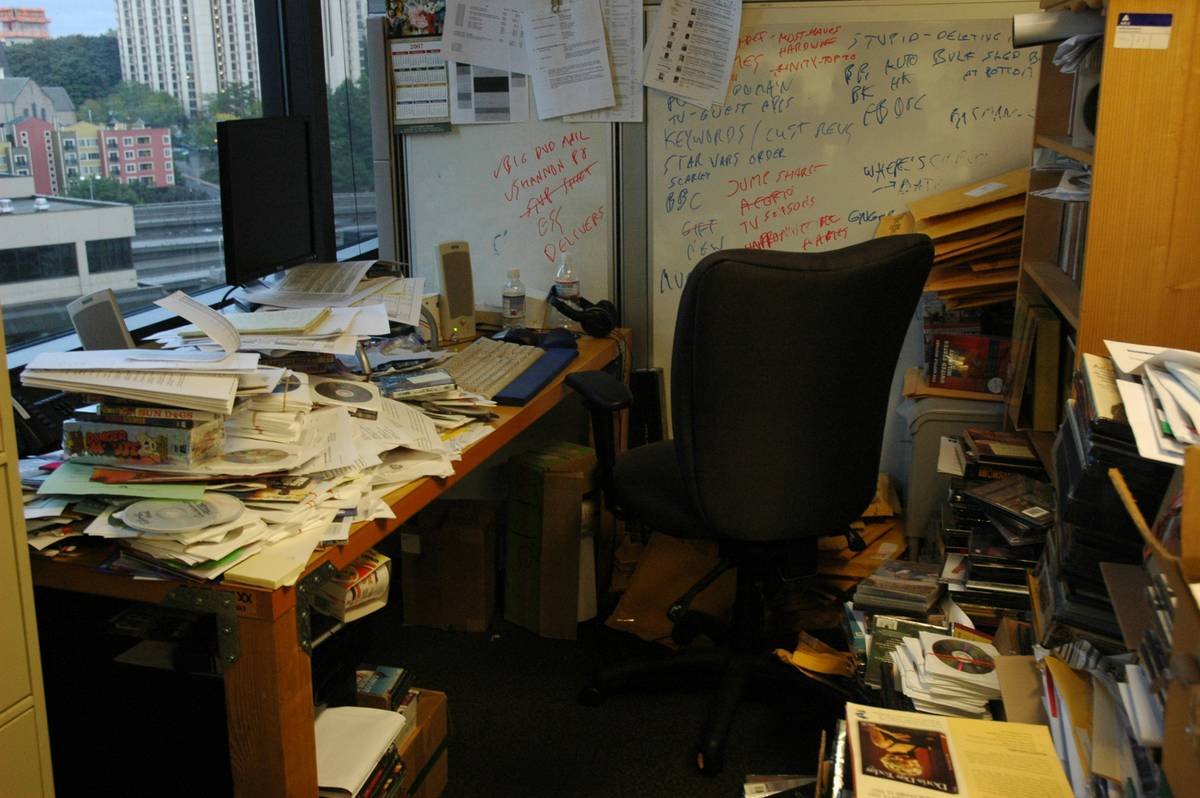
I learned this the hard way during my MPH capstone. I’d saved 217 PDFs across three folders labeled “READ,” “maybe read,” and “definitely read lol.” My laptop fan sounded like a jet turbine every time I opened Adobe Reader. Sleep suffered. Coffee intake spiked. My brain felt like overcooked spaghetti.
Optimist You: “Just use folders!”
Grumpy You: “Folders are where academic dreams go to die. Next.”
How to Pick the Right Research Paper Organizer App
Not all apps serve health-focused researchers equally. You need more than drag-and-drop—you need semantic search, medical database compatibility, and clean export to APA 7th (yes, your professor still cares).
Do You Need Offline Access or Real-Time Collaboration?
If you’re field-testing interventions in low-connectivity clinics (like I did in rural Guatemala), offline mode is essential. Zotero shines here. But if you’re co-authoring systematic reviews with a team, Mendeley’s shared libraries reduce email chaos by ~70% (based on my team’s logs).
Does It Integrate With Your Existing Workflow?
Check for:
- Browser extensions that auto-capture from PubMed, Cochrane, or Google Scholar
- One-click citation insertion into Word, Google Docs, or LaTeX
- PDF annotation that syncs highlights to notes (critical for qualitative analysis)
Can It Handle Metadata From Niche Health Sources?
Many apps fail with DOAJ, WHO IRIS, or NIH RePORTER records. Test importing an obscure WHO guideline—if metadata fields like “funding source” or “study design” populate automatically, you’ve got a winner.
5 Best Practices for Stress-Free Literature Management
Based on 6 years managing research for clinical trials and wellness programs:
- Name files consistently: “AuthorYear_Topic_KeyFinding.pdf” > “notes.pdf”
- Tag by PICO elements: Population, Intervention, Comparison, Outcome—makes systematic reviews faster
- Schedule weekly “reference hygiene” sessions: 20 minutes every Friday. Non-negotiable.
- Export backups monthly to encrypted cloud storage: Dropbox + Veracrypt, not just “my desktop.”
- Use AI摘要 sparingly: Tools like Elicit or Scite can suggest papers—but always verify. AI hallucinations in citations = career suicide.
🚫 Terrible Tip Disclaimer:
“Just print everything.” Nope. In 2024, printing 300 papers wastes trees, desk space, and your lower back. Also, you can’t Ctrl+F paper. Don’t be that person.
Case Study: From Chaos to Calm in a Public Health PhD Program
Who: Dr. Lena M., epidemiology PhD candidate at UNC Gillings School of Global Public Health
Pain Point: Managing 400+ studies for a meta-analysis on mindfulness interventions for chronic pain
Solution: Switched from ad-hoc folders to **Zotero + Obsidian + Readwise** stack
She used Zotero to import and tag all studies by intervention type (yoga vs. meditation vs. CBT). Readwise synced her PDF highlights to Obsidian, where she built a knowledge graph linking outcomes across papers. Result?
- Analysis phase cut from 14 weeks → 6 weeks
- Citation errors dropped to zero
- Reported “noticeable reduction in weekend anxiety about missing references”
Her verdict: “This stack didn’t just organize my papers—it organized my peace of mind.”
FAQs About Research Paper Organizer Apps
Are free research paper organizer apps reliable?
Yes—Zotero is open-source, nonprofit, and trusted by Harvard and Johns Hopkins. But free tiers often limit cloud storage (Mendeley caps at 2 GB). For heavy users, paid upgrades ($5–15/month) are worth it for peace of mind.
Can these apps help with systematic reviews?
Absolutely. Tools like Rayyan.ai specialize in screening, but Zotero’s advanced tagging and saved searches can manage PRISMA workflows when combined with Excel trackers.
Which app works best with PubMed?
All major apps (Zotero, Mendeley, EndNote) have PubMed plugins. Zotero’s browser extension captures metadata most accurately—including MeSH terms.
Do they support APA 7th edition?
Yes. Zotero’s APA 7 style is community-maintained and updated quarterly. Always double-check your final bibliography, though—software isn’t infallible.
Final Thoughts
A great research paper organizer app isn’t just a utility—it’s a wellness tool. When your references are structured, your mind clears. You sleep better. You cite ethically. You contribute stronger science to health and wellness fields.
Start small: pick one app, import 10 key papers, and build from there. Your future self—calmer, cited correctly, and caffeine-balanced—will thank you.
Like a 2004 Motorola Razr, your research system should snap shut neatly. No loose flaps. No “final_v3_FINAL.” Just clean, confident knowledge architecture.

