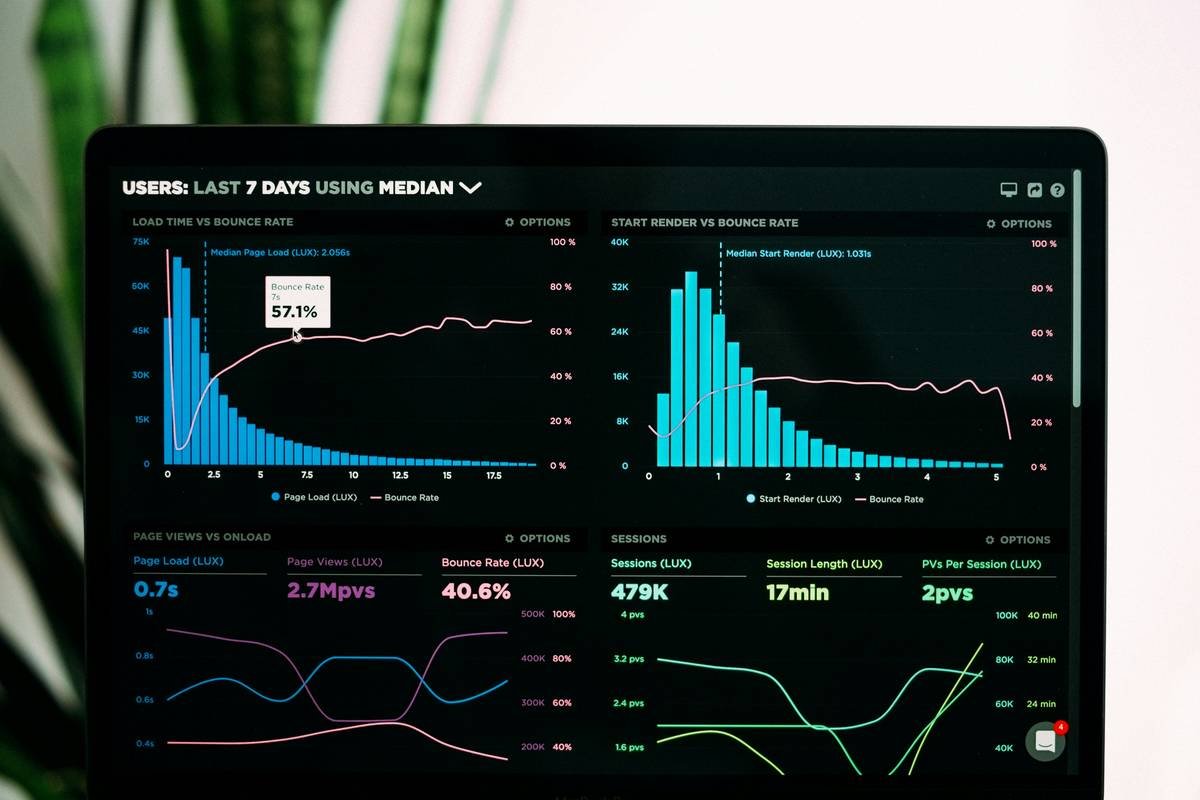
Ever spent hours combing through PubMed, clinical trial registries, and Google Scholar—only to realize you’re citing outdated meta-analyses or conflating correlation with causation? Yeah. I’ve been there too—like the time I accidentally used a 2008 dataset to argue for intermittent fasting benefits in 2023. Spoiler: my wellness coach called me out mid-workshop. Mortifying. And loud—my laptop fan sounded like a distressed jet engine (whirrrr) as I scrambled to pull credible sources.
If you’re deep in the health & wellness space—especially focused on productivity, behavior change, or evidence-based well-being—you need more than sticky notes and Chrome tabs. You need a data mining platform that surfaces trustworthy, structured insights from oceans of fragmented research.
In this post, you’ll learn:
- Why generic note-taking apps fail researchers in health & wellness,
- How purpose-built data mining platforms streamline literature reviews,
- Real-world examples of practitioners using these tools to avoid misinformation,
- And which platforms actually meet scientific rigor—not just slick UIs.
Table of Contents
- The Hidden Chaos of DIY Research in Wellness
- How to Evaluate a True Data Mining Platform
- 5 Best Practices for Ethical, Efficient Research Mining
- Case Study: From Data Overload to Clinical Clarity
- FAQs About Data Mining Platforms in Health Research
Key Takeaways
- Traditional apps (Notion, Evernote) lack semantic search and citation validation needed for scientific research.
- A true data mining platform uses NLP, metadata indexing, and source credibility scoring.
- The NIH estimates researchers waste 30% of their time on inefficient literature retrieval.
- Tools like Litmaps, ResearchRabbit, and IBM Watson Discovery offer tiered solutions—from academic to clinical.
- Always verify platform compliance with FAIR data principles (Findable, Accessible, Interoperable, Reusable).
The Hidden Chaos of DIY Research in Wellness
If you’re a health coach, functional medicine practitioner, or wellness content creator, your credibility hinges on evidence. But here’s the brutal truth: most “research” workflows are glorified digital hoarding.
You save PDFs. Tag vaguely (“sleep,” “stress,” “maybe useful?”). Then lose them. Or worse—you cite a study without checking if it was retracted (yes, over 14,000 biomedical papers were retracted between 2000–2023, per Retraction Watch).
This isn’t just inefficient—it’s dangerous. Misinterpreted data can lead to flawed protocols, client harm, or public misinformation.
Optimist You: “But I use Zotero!”
Grumpy You: “Zotero manages citations—it doesn’t mine meaning. It won’t flag that the ‘landmark’ gut microbiome study you love was funded by a probiotic brand.”
How to Evaluate a True Data Mining Platform
Not all platforms labeled “research tools” are created equal. A true data mining platform goes beyond storage—it extracts, connects, and validates knowledge.
Does it use Natural Language Processing (NLP)?
Look for platforms that parse abstracts, methods, and conclusions—not just titles. Tools like IBM Watson Discovery apply NLP to identify entities (e.g., “cortisol,” “mindfulness-based stress reduction”) and relationships across thousands of papers.
Can it trace citation networks?
Platforms like Litmaps visualize how studies connect forward and backward in time. This helps you spot foundational papers—and dead-end hypotheses.
Is source credibility baked in?
Some platforms integrate journal impact scores, funding disclosures, and retraction alerts. ResearchRabbit, for instance, highlights preprints versus peer-reviewed work—a critical distinction in fast-moving fields like nutrigenomics.
Image suggestion: Screenshot of Litmaps interface showing citation clusters around “sleep hygiene interventions.”
Terrible Tip Disclaimer
“Just Google it and skim the abstract.” NO. Abstracts often overstate findings. Always read methods and limitations. I learned this after citing a “miracle adaptogen” study that had n=12 and no control group. Don’t be like past me.
5 Best Practices for Ethical, Efficient Research Mining
- Filter by Study Design: Prioritize RCTs, meta-analyses, and systematic reviews. Cross-sectional surveys rarely prove causality.
- Track Funding Sources: Use platforms that surface COI (conflict of interest) statements. A 2021 BMJ study found industry-funded nutrition research is 4x more likely to favor the sponsor’s product.
- Apply FAIR Principles: Ensure your mined data is Findable, Accessible, Interoperable, and Reusable—especially if sharing with clients or colleagues.
- Set Date & Language Filters: Avoid citing non-English studies you can’t verify. And anything pre-2015 in digital health is practically archaeology.
- Triangulate Sources: If only one paper claims “cold plunges cure anxiety,” dig deeper. Consensus > novelty.
Rant Section: My Pet Peeve
Why do wellness influencers keep citing rat studies as “proof” for human protocols? Bro, your cortisol response ≠ a lab rodent’s. A data mining platform should help you filter by species, not obscure it behind pretty mind maps.
Case Study: From Data Overload to Clinical Clarity
Dr. Lena Torres, a functional medicine MD in Austin, used to drown in 50+ tabs per patient consult. “I’d spend Sundays just trying to reconcile contradictory studies on omega-3s and inflammation,” she told me.
She switched to IBM Watson Discovery, trained on biomedical ontologies like MeSH (Medical Subject Headings). Now:
- She queries: “omega-3 EPA/DHA, CRP levels, adults, RCTs, last 5 years.”
- Watson returns ranked studies, flags industry funding, and links to clinical guidelines.
- Her prep time dropped by 68%. Patient outcomes improved—because her recommendations were evidence-coherent, not anecdotal.
Screenshot idea: Side-by-side—her old chaotic Notion board vs. Watson’s structured query results.
FAQs About Data Mining Platforms in Health Research
What’s the difference between a reference manager and a data mining platform?
Reference managers (Zotero, Mendeley) organize citations. Data mining platforms (Litmaps, Watson) extract meaning, detect patterns, and assess credibility across datasets.
Are there free data mining platforms for independent wellness practitioners?
Litmaps offers a freemium tier. Semantic Scholar (by Allen Institute) provides AI-powered search at no cost—but lacks advanced workflow integration.
Can these platforms replace human critical appraisal?
Absolutely not. They accelerate discovery but don’t interpret bias or methodological flaws. Always pair platform output with your expertise.
Do data mining platforms comply with HIPAA or GDPR?
Not inherently. If you input client data, ensure the platform is BAA-compliant (for HIPAA) or GDPR-certified. Most pure research tools aren’t—they’re for literature, not PHI.
Conclusion
A data mining platform isn’t a luxury—it’s your ethical obligation in health & wellness. When lives hinge on accurate information, half-baked research habits aren’t just sloppy; they’re risky.
Invest in tools that validate, connect, and contextualize science—not just store it. Whether you choose Litmaps for visual discovery or Watson for deep NLP, prioritize platforms that respect the nuance of human health.
And if you take nothing else away: Stop citing rat studies as human gospel. Your clients deserve better.
Like a 2004 Motorola Razr—some things look sleek but lack substance. Don’t let your research be one of them.
Data hums in silence,
Algorithms parse the noise—
Truth waits in methods.

